Mountain Escapes: Planning a Calm High-Altitude Trip
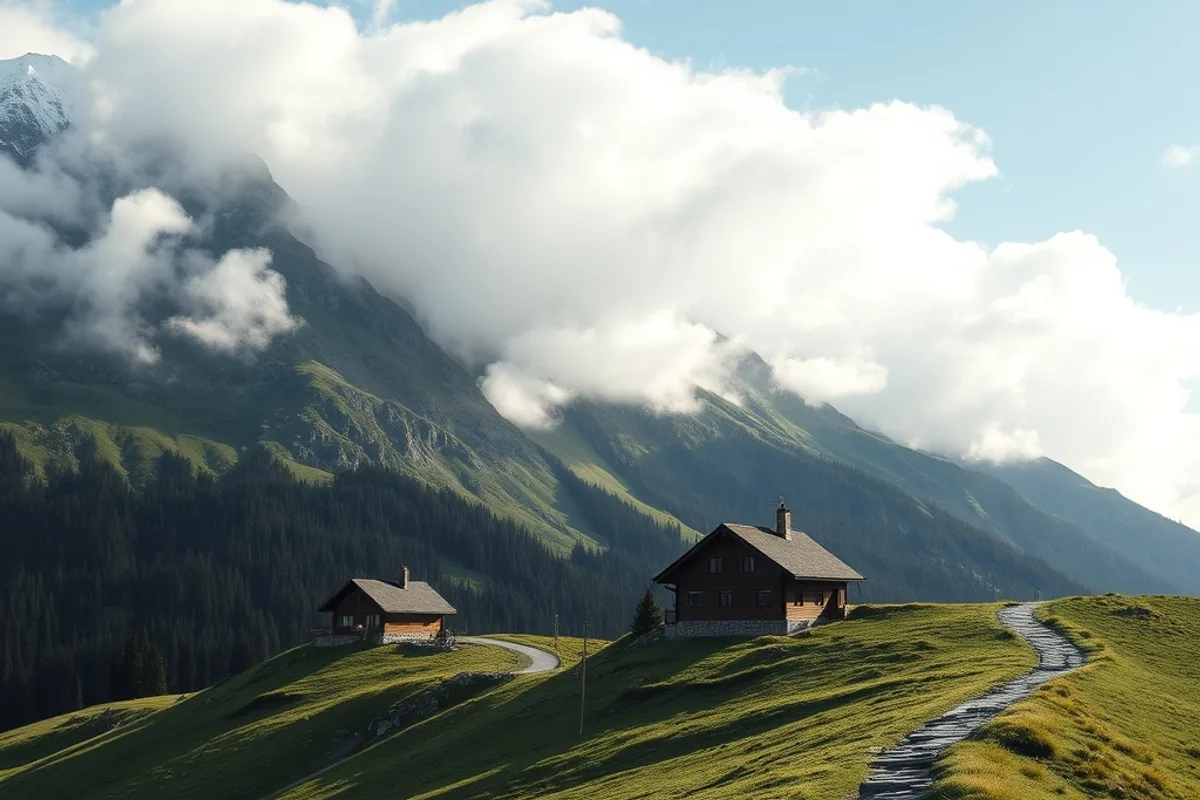
Mountain trips are sold as views and fresh air, but they are really an exercise in planning around things you cannot control. Weather moves faster, transport is more fragile and altitude affects people differently. A calm mountain escape is not a lucky one; it is a trip with realistic buffers and honest expectations.
Choose the base before the peaks
The best mountain base is a place you would be happy to spend a rainy day in. Look for a village or town with a shop, a few restaurants, a bus or train connection and a range of walks from the door. A remote lodge with one view is wonderful in good weather and isolating in bad.
Check the altitude of the base, not just the summit. Sleeping high is harder than visiting high. If you are coming from sea level, a base above 2,500 metres may disturb sleep for the first nights. A lower base with a cable car or a day trip can be a better first mountain trip.
Build in an acclimatisation day
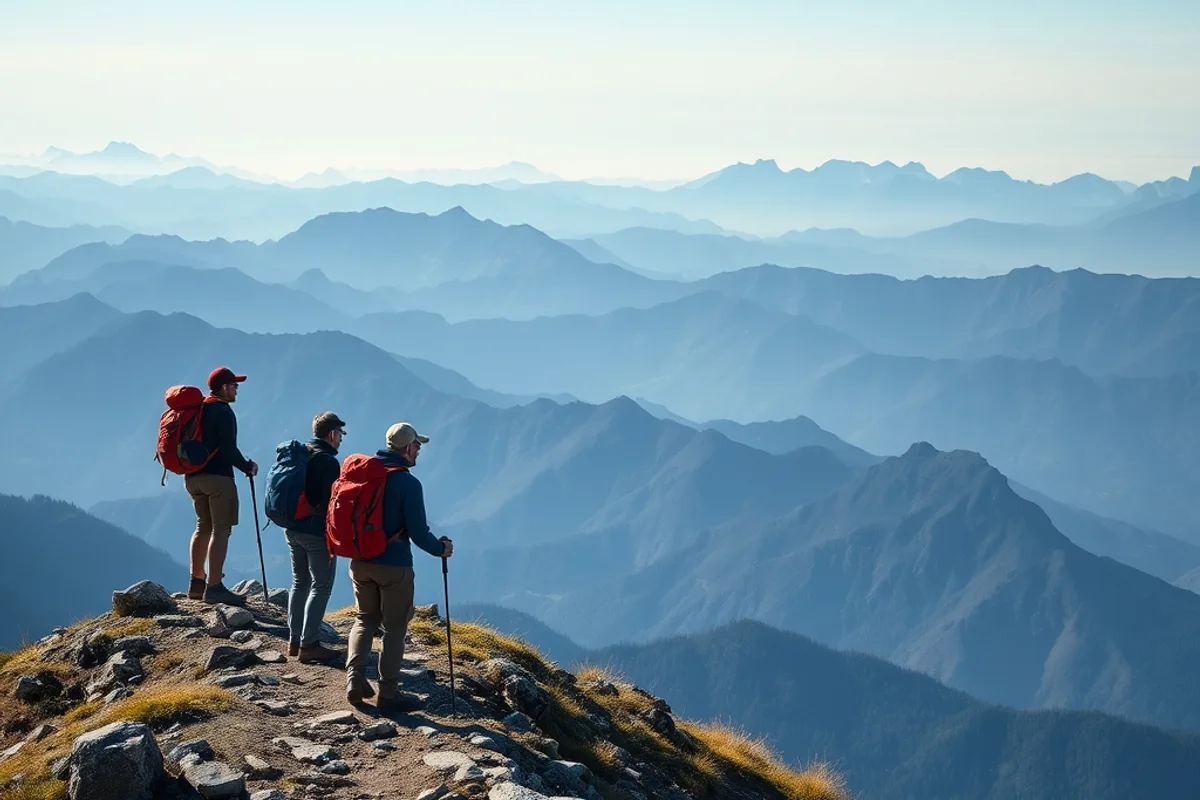
Altitude sickness is not a fitness problem. It can affect strong hikers and weak ones alike. The usual advice is to gain height slowly, avoid sleeping much higher than the previous night and descend if symptoms worsen. A rest day early in the trip is not wasted time; it is insurance.
Drink water, eat regularly and avoid alcohol on the first night. If you feel a headache, nausea or breathlessness that does not settle, do not push higher. Descending is the treatment. Check official guidance for the region and speak to a doctor before travelling if you have heart or lung conditions.
Read the weather like a local
Mountain forecasts are local and change quickly. Check the official weather service for the region, not a general city forecast. Look at wind, precipitation, cloud base and freezing level. A sunny valley can hide a storm on the ridge.
Plan the big walk for the best forecast day and keep a flexible alternative. Start early, because afternoon storms are common in many ranges. Tell someone your route and expected return time, and carry a map that works without a signal.
Check transport before you book
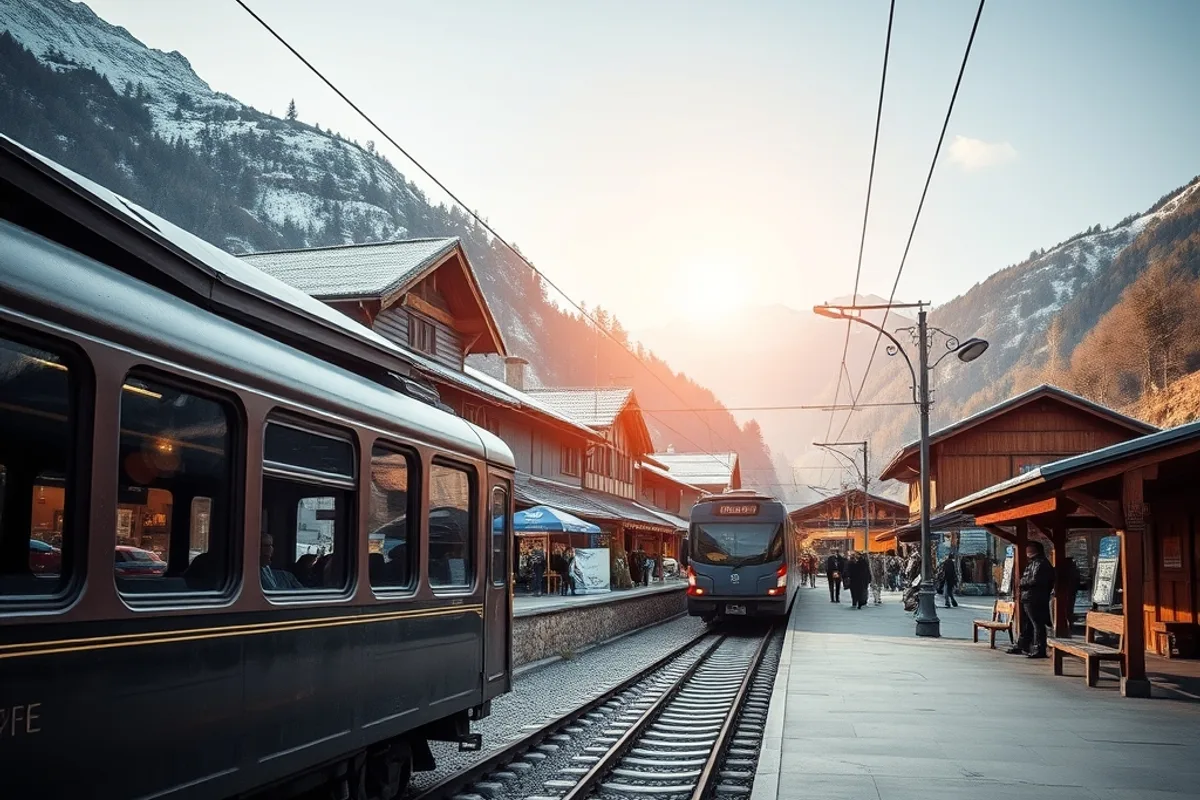
Mountain roads and railways close for snow, rockfall and maintenance. Check whether the pass or cable car you need is open during your dates, and whether the last bus runs before your arrival. A hotel that is twenty minutes away in summer can be unreachable in winter.
If you are driving, check whether snow chains are required and whether parking is available at the trailhead. If you are using public transport, check the frequency and the last connection. A missed last bus can turn a day hike into an expensive taxi ride.
Pack for the temperature, not the photo
Layers work better than one thick jacket. Bring a waterproof shell, a warm mid-layer, gloves and a hat even in summer. Sturdy shoes with grip matter more than fashion. Carry water, snacks, a headlamp and a basic first-aid kit.
Check whether your accommodation has drying space. Wet boots and jackets are part of mountain travel, and a room with a radiator or a drying room makes the next day much better.
Choose the right accommodation
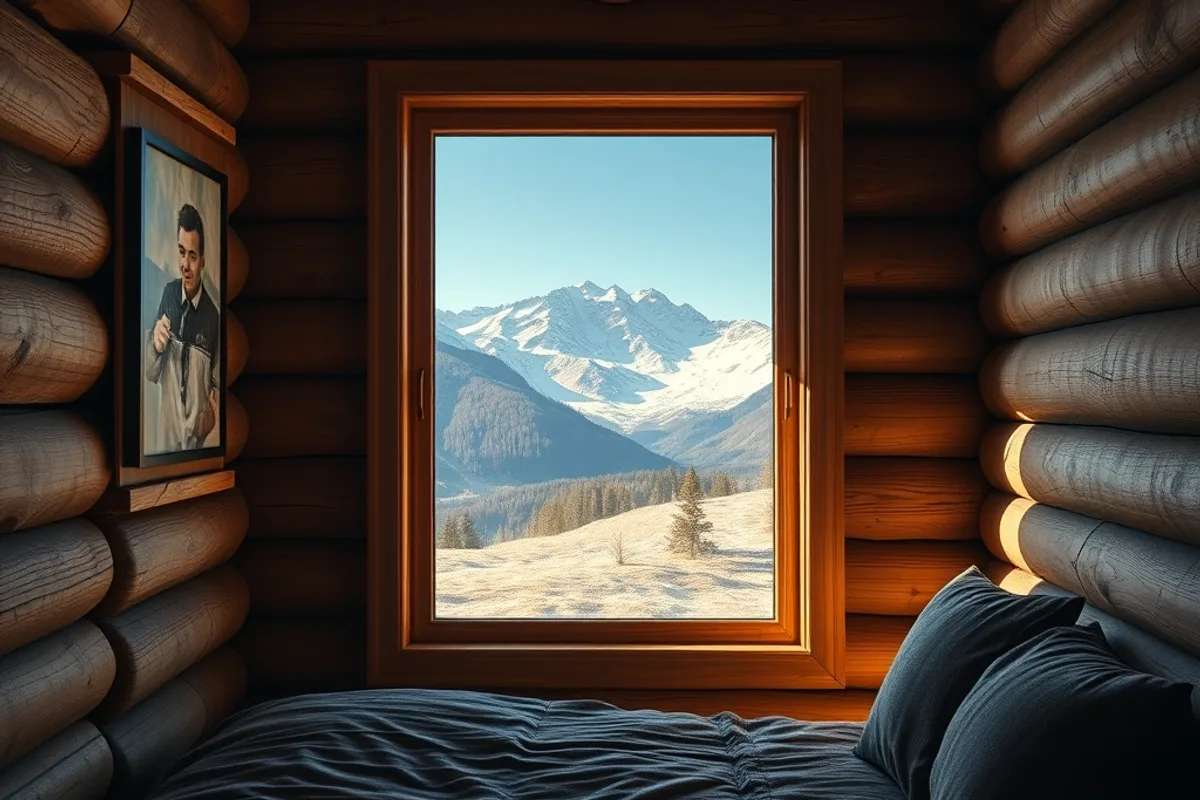
A mountain lodge can be basic or luxurious, and the difference is not always reflected in the photos. Check whether the room has heating, hot water and a private bathroom. Ask about dinner and breakfast times, especially if you plan to start early.
Check the cancellation policy. Mountain weather can change plans, and a flexible booking is worth more here than in a city. Ask whether the hotel offers a pickup from the station or the bus stop, and whether it can store luggage while you walk.
“In the mountains, the itinerary is a proposal. The weather has the final vote.” — Vina Kevern Editorial
The bottom line
A good mountain escape is built on a sensible base, a slow start and a spare day. Check altitude, weather, transport and accommodation before you go, and be willing to change the plan when the mountain says so. The goal is not to tick off a summit. It is to come home rested, with the views you actually got.
For official guidance, see UN Tourism mountain destination information.