Museum and Heritage Passes: Are They Worth the Money?
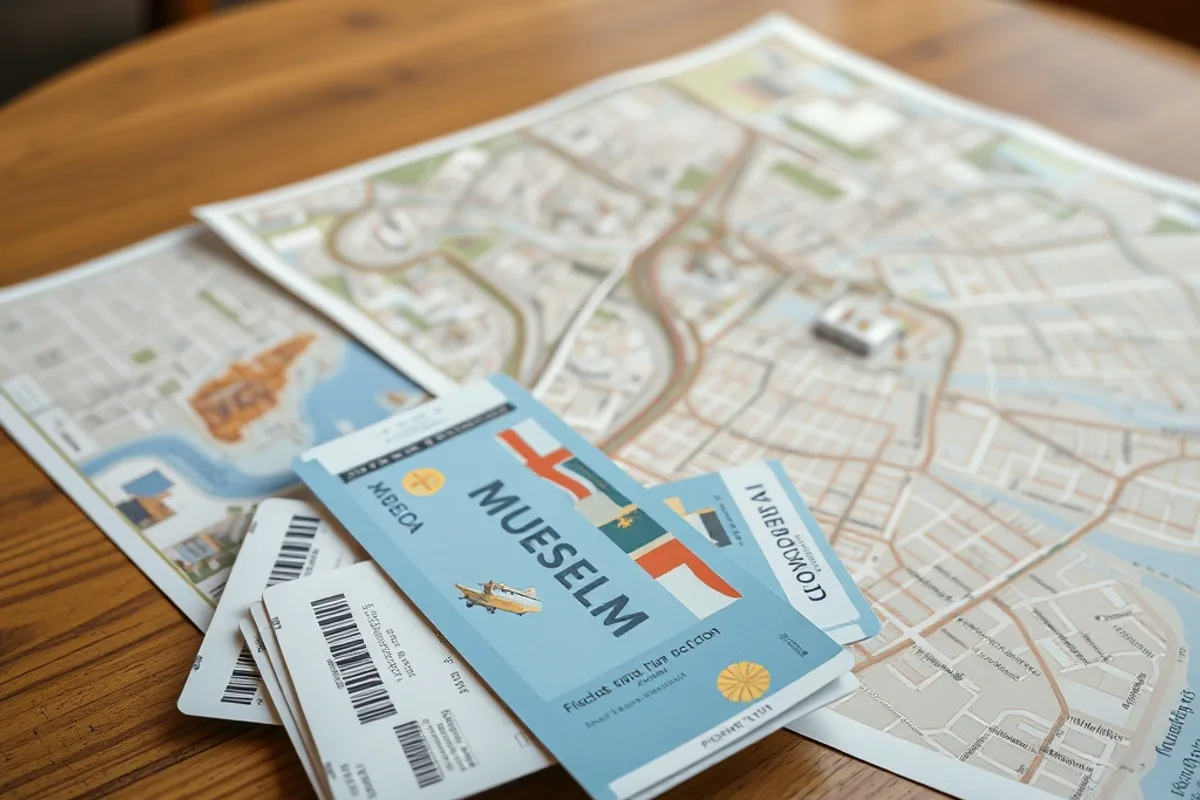
City cards and heritage passes are sold as shortcuts: one price, many attractions, skip the hassle. Sometimes they are excellent value. Sometimes they cost more than the three things you actually wanted to see. The difference is not the card; it is your itinerary.
Work out the break-even point
List the sites you genuinely want to visit and add their single ticket prices. Compare that total with the pass price. If the pass costs more than your list, it is not a saving, no matter how many attractions it includes. Be honest about how many museums you will visit in a day, especially in the heat or after a long flight.
Remember that many cities have free entry days, reduced evening rates or free permanent collections. If your dates overlap, the pass may be competing with free options. Check the official site rather than a reseller's summary.

Check what is excluded
Passes often exclude the most popular sites or require a separate reservation. A card that includes ten small museums but not the one major gallery may still be worth it, but you need to know before you buy. Look for exclusions, time limits and whether the pass is valid for consecutive days or any days within a window.
Transport is another variable. Some passes include public transport, some offer a discount and some do not. If you plan to walk, transport adds little value. If you are using metro and buses all day, it can tip the balance.
Weigh the queue, not just the price
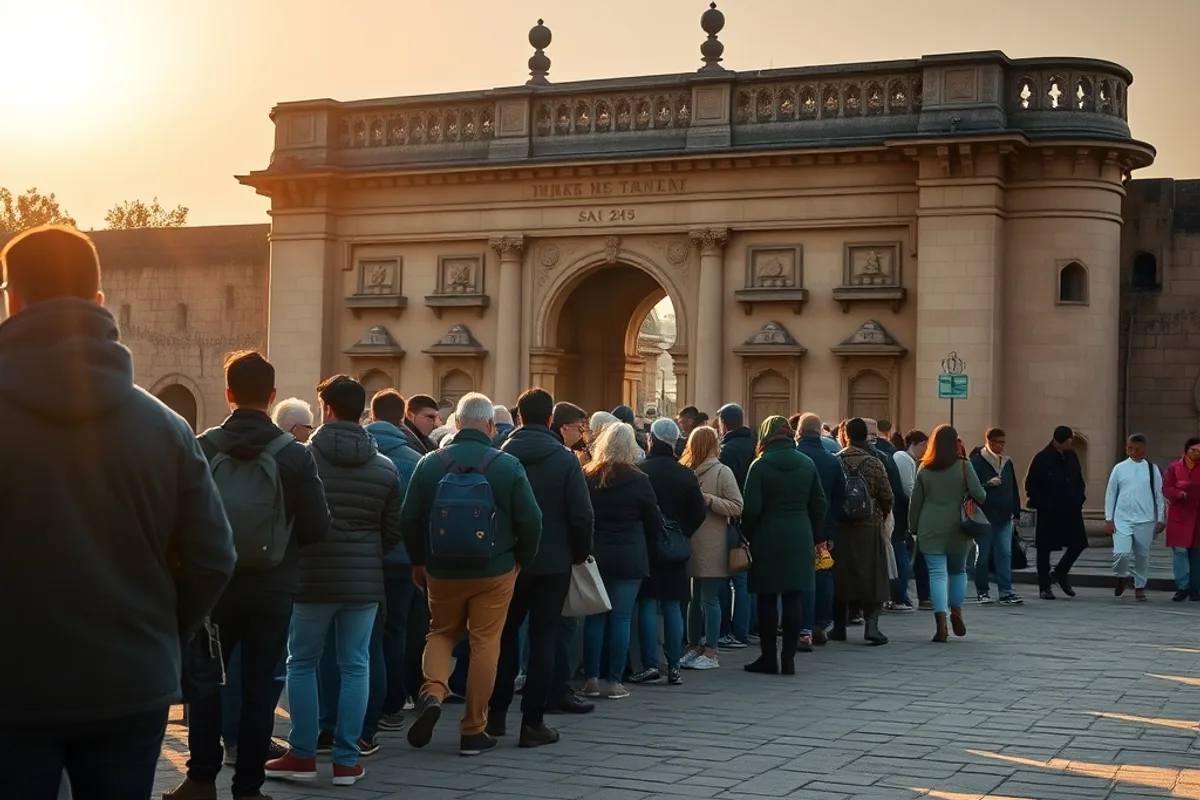
The biggest benefit of some passes is skipping the ticket line. That can be worth real money on a short trip, especially at popular sites. But a pass rarely skips security or the entry queue itself, and some museums now require timed entry regardless of the card.
Check whether you must reserve a slot in advance and whether the pass has a separate entrance. A "skip the line" promise that only covers the cashier is not much of a shortcut.
Match the pass to your pace
A two-day pass is good for a city break with a focused list. A seven-day pass rewards slow travel and repeat visits, but only if you will actually return to a museum or use the transport. Families should check child pricing, because a family ticket can beat a pass even when the adult maths looks good.
Also consider the cost of over-planning. A pass can turn a holiday into a checklist, with everyone rushing to justify the price. If you would rather sit in a café and watch the square, a pay-as-you-go approach is cheaper and more pleasant.

Look for the official price
Buy from the city's official tourism site or the museum itself where possible. Resellers add fees and sometimes bundle extras you do not need. Check the refund policy: many passes are non-refundable, and some are activated on first use rather than purchase.
If you are visiting in a group, compare a group ticket, a family ticket and individual passes. The cheapest option is often not the one advertised most loudly.

“A pass does not save money. Using a pass saves money. The difference is your itinerary.” — Vina Kevern Editorial
The bottom line
Buy a pass when your list of paid sites clearly exceeds its price and you will visit them at a realistic pace. Skip it when you want one or two museums, when free entry days fit your dates, or when the pass excludes the thing you came to see. The card is a tool, not a trophy. Do the arithmetic once, then spend the saved money on a good lunch.
For official guidance, see UNESCO heritage visitor information.