Island or Mainland Coast: Which Beach Trip Wins for You?
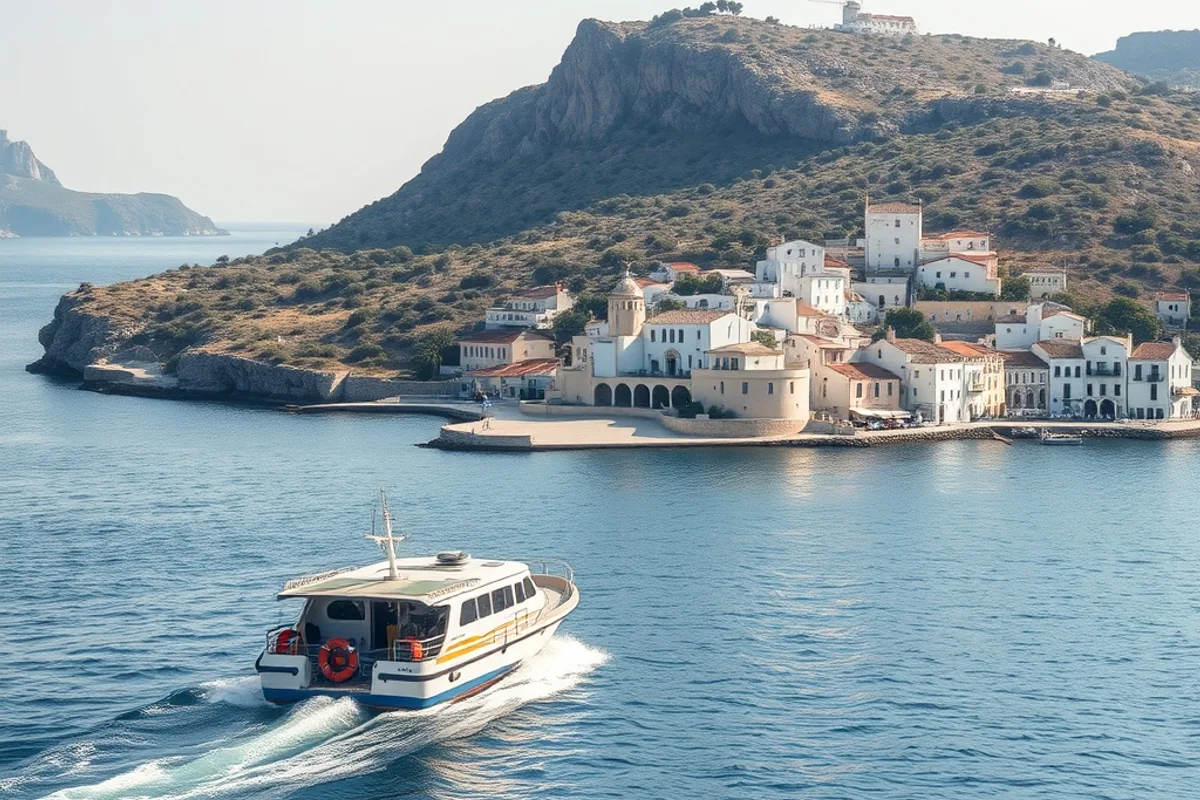
The island-versus-mainland question sounds romantic, but it is mostly logistics. An island gives you clearer water, smaller coves and a stronger sense of escape. A mainland coast gives you easier transport, more food options and the freedom to change plans. Both can be a great beach trip, and the right answer depends on how much friction you are willing to trade for scenery.
Count the door-to-door time
Island trips are usually measured in ferry time, but the real cost starts at the airport. Add the transfer to the port, the check-in buffer, the crossing, the walk or taxi to the hotel and the wait for the room. A one-hour ferry can sit inside a five-hour journey that eats a full day of a short break.
Mainland coasts often win here because you can drive or take a train directly to the town. That matters most on trips of three or four nights. On a two-week holiday, a half-day of transfer is easy to absorb.

Budget the crossing honestly
Ferry prices rise in peak season and for vehicles, and some routes charge extra for luggage. Foot passengers usually pay less, but then you need transport at both ends. Add port parking if you leave a car on the mainland, and check whether the last ferry runs early enough for your arrival.
Island food and accommodation can also cost more because everything arrives by boat. That is not universal, but it is common in small islands with limited competition. Compare a week of restaurant prices and a week of hotel rates before assuming the island is the cheaper escape.
Think about weather and reliability
Ferries cancel in wind and rough seas, and the smallest islands are the most exposed. If you have a flight home the day after your crossing, build in a buffer. Travel insurance may cover delays, but it will not create a bed for the night at the port.
Mainland coasts have their own weather risks, but the road network usually provides an alternative. Ask locally about the windiest months and the typical sea state. A calm bay on the sheltered side of an island can be pleasant even when the crossing is rough.

Match the place to your days
Islands reward slow travel. If you plan to swim, read, eat and repeat, a small island is hard to beat. If you want day trips, museums, markets and a different beach every day, a mainland base gives you more options without another crossing.
Families should weigh the ferry carefully. Children often enjoy the boat, but luggage, naps and sea sickness change the calculation. Couples and solo travellers may find the crossing adds to the sense of arrival. Decide which experience you are buying, not which one sounds better on paper.

Ask about the last mile
Many island hotels are a steep walk from the port, and taxis are few. Ask whether the hotel offers a transfer, how much it costs and whether it meets the ferry. On the mainland, check parking and whether the hotel is on a bus route. The last mile is where a good trip becomes tiring.
Also check the beach access at the property. An island hotel may sit above a beautiful cove with a long staircase, and a mainland hotel may be across a road from the sand. Neither is wrong, but both change how you use the day.
A simple decision rule
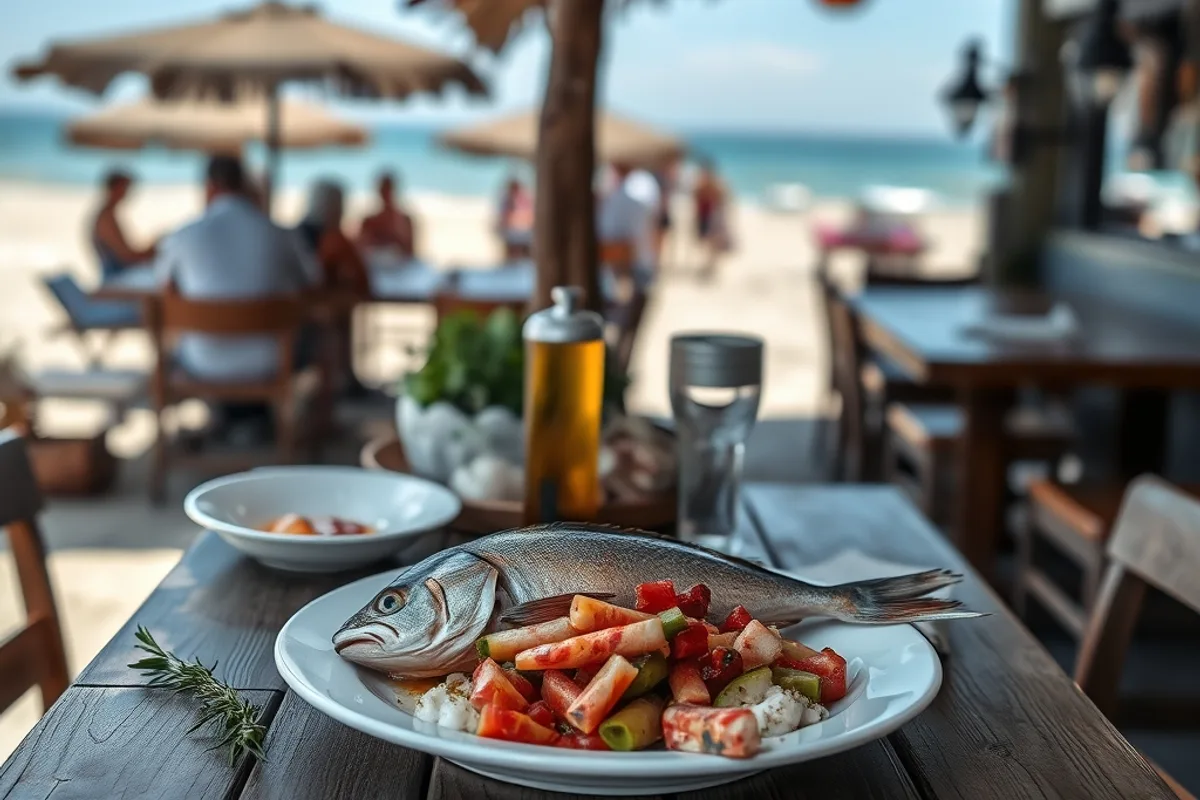
If your trip is short, your luggage is heavy or your plans are flexible, choose the mainland coast. If your trip is longer, your goal is stillness and you are happy to plan around a ferry, choose the island. If you cannot decide, split the trip: a few nights on the mainland and a few on the island, with the crossing in the middle.
“An island is a better holiday only if the crossing is part of the plan, not a tax on it.” — Vina Kevern Editorial
The bottom line
The island is not automatically the better beach holiday. It is a different shape of holiday, with more scenery and less flexibility. Count the total journey, budget the crossing, check the weather risk and ask about the last mile. Then choose the coast that matches the trip you actually have, not the one in the photograph.
For official guidance, see UN Tourism island and coastal destination data.