Design Hotel or Family Guesthouse: Which Suits You?
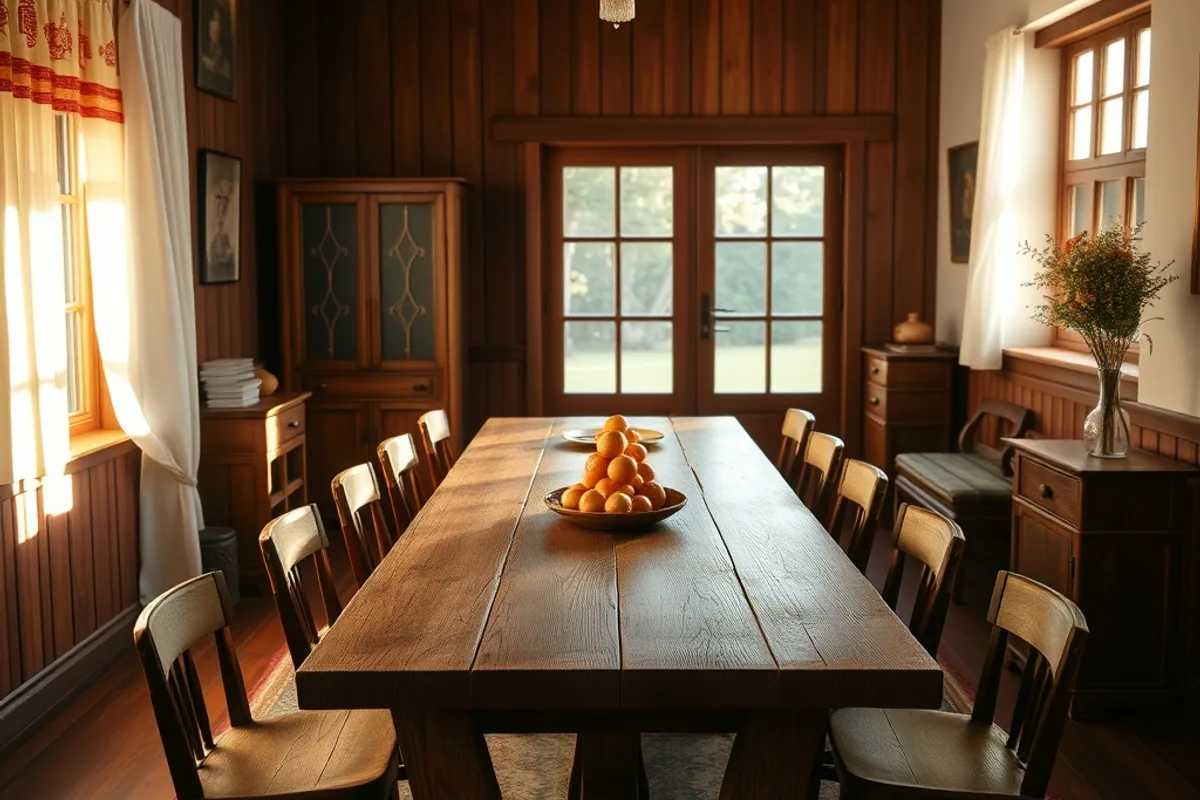
Design hotels and family guesthouses are often grouped together as "small stays", but they offer very different holidays. A design hotel sells a controlled aesthetic and professional service. A guesthouse sells a home, a host and a slice of local life. Both can be lovely; the mistake is booking one while wanting the other.
Decide how social you want to be
Guesthouses are social by design. You meet the host, often share a breakfast table and get recommendations that are not in any guidebook. That is the main attraction for many travellers, and the main drawback for others. If you want to close the door and not talk after a long day, a guesthouse can feel intrusive.
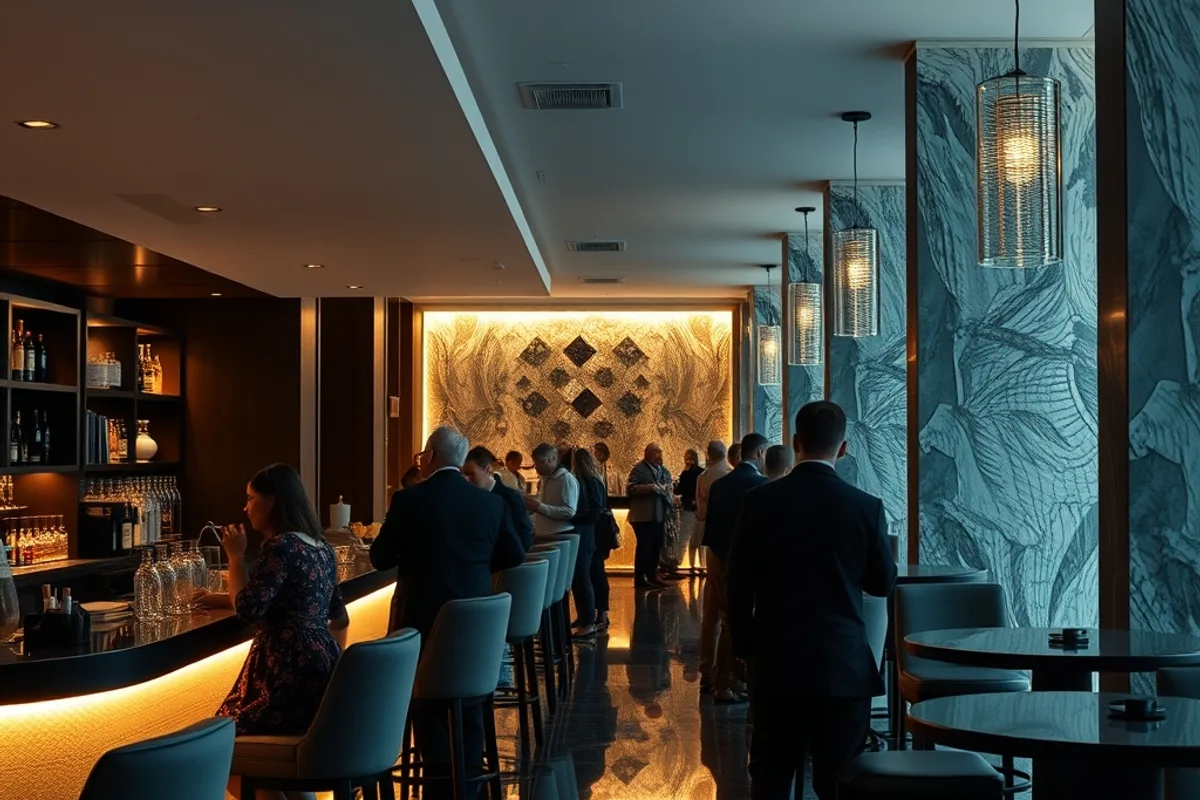
Design hotels are usually more private. Staff are friendly but professional, and you can pass through the lobby without a conversation. If you value anonymity and a predictable routine, that is worth paying for.
Compare the room honestly
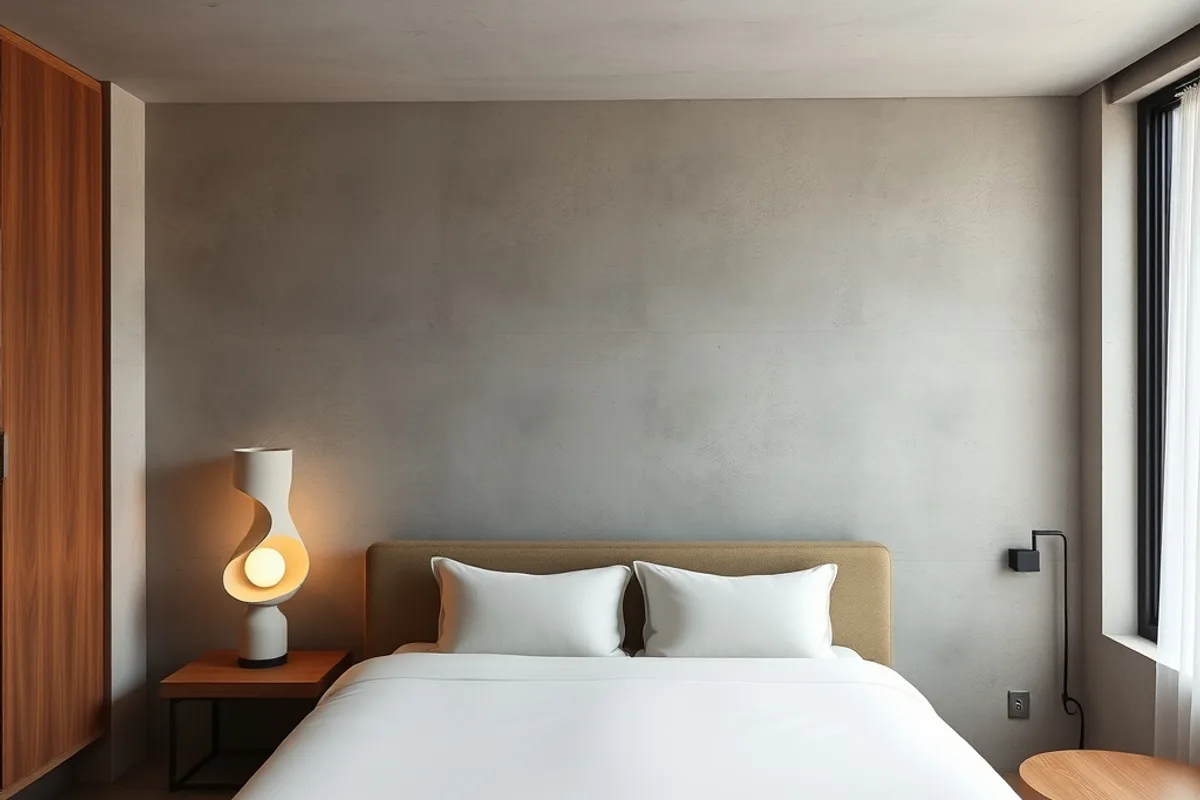
A guesthouse room may be simpler than the photos suggest, with a shared bathroom, a fan instead of air conditioning or thin walls. A design hotel room may be beautiful but small, with limited storage and a shower that floods the floor. Check the exact facilities, not the style.
Ask about the bathroom, the bed size, the window and the noise. In a family home, the host's routine matters: early breakfast, children, pets and church bells are part of the experience. None of that is bad, but it should be a choice.
Look at breakfast and food
Guesthouse breakfast is often the best meal of the day: local bread, fruit, eggs and conversation. It is also served at the host's time, which may be early. Design hotel breakfast may be a stylish continental spread at a higher price, or an extra charge altogether.
Check whether the guesthouse offers dinner and whether you need to book ahead. In rural areas, a home-cooked dinner can save a long drive. In cities, a guesthouse may only offer breakfast and point you to local restaurants.

Understand the service boundary
A family guesthouse may not have a 24-hour desk, a lift or a luggage room. The host may be reachable by phone and happy to help, but not instantly. A design hotel usually has staff on site or on call, which matters if you arrive late or need a taxi at dawn.
Ask how to contact the host, what time check-in closes and whether late arrival is possible. Get the answer in writing. A friendly welcome is not a substitute for a clear process.
Weigh the price and the location
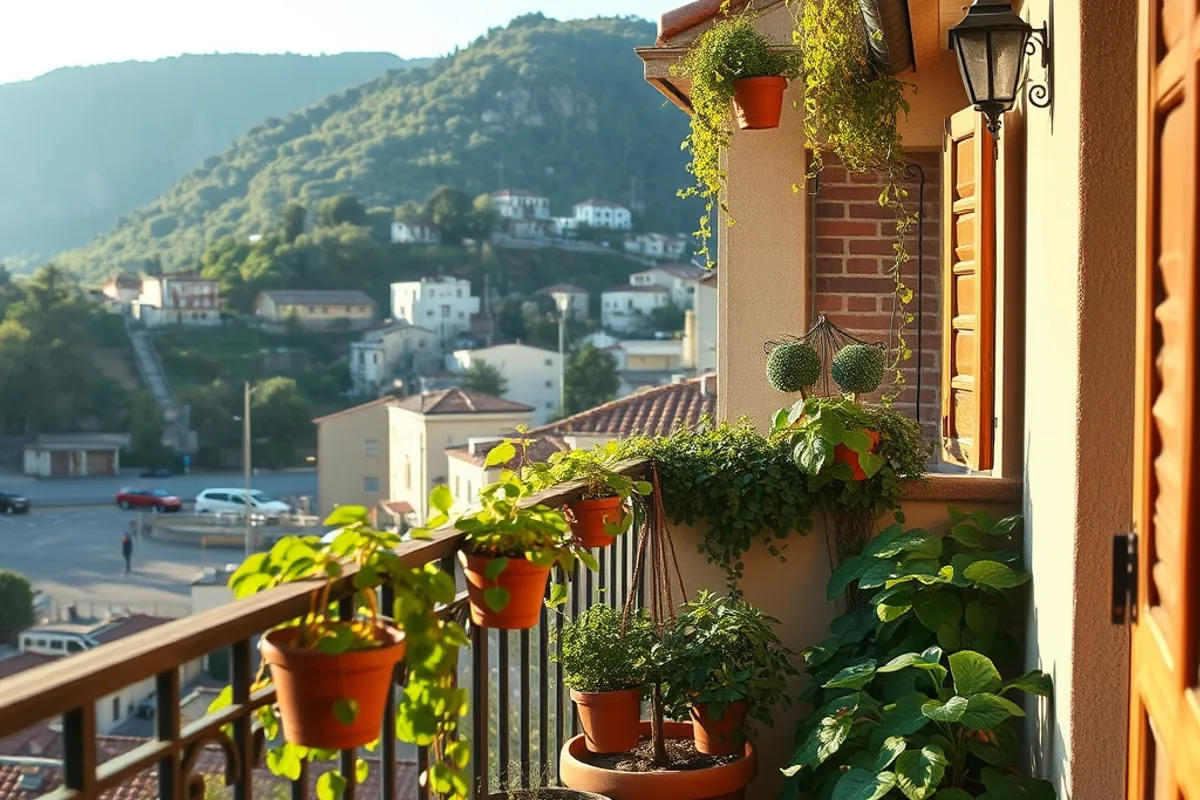
Guesthouses are often cheaper, but not always. In a popular old town, a well-run guesthouse can cost as much as a small hotel. Compare the total price with breakfast, tax and transport. A cheaper room far from the centre can cost more in taxis and time.
Design hotels often charge for the aesthetic and the location. That can be good value if you plan to spend time in the room and the neighbourhood. It is poor value if you are out from morning to night and only use the bed.
Check the reviews for the real experience
Look for mentions of the host, the noise, the bathroom and the breakfast. In a guesthouse, the host can make or break the stay, and staff changes matter. In a design hotel, look for comments on service, cleanliness and whether the photos match the room.
Read recent reviews and look for patterns rather than single complaints. A hotel can have one bad week; a guesthouse can have one bad host. The pattern tells you which one you are booking.
“A guesthouse is a social contract. A design hotel is a service contract. Choose the one you have energy for.” — Vina Kevern Editorial
The bottom line
Choose a guesthouse if you want local contact, home cooking and a slower, more personal stay. Choose a design hotel if you want privacy, consistency and professional service. Both are small, but they are not interchangeable. Match the stay to your energy, your budget and the kind of holiday you actually want.
For official guidance, see UN Tourism accommodation guidance.