Cultural Tourism Done Right: Beyond the Photo Stop
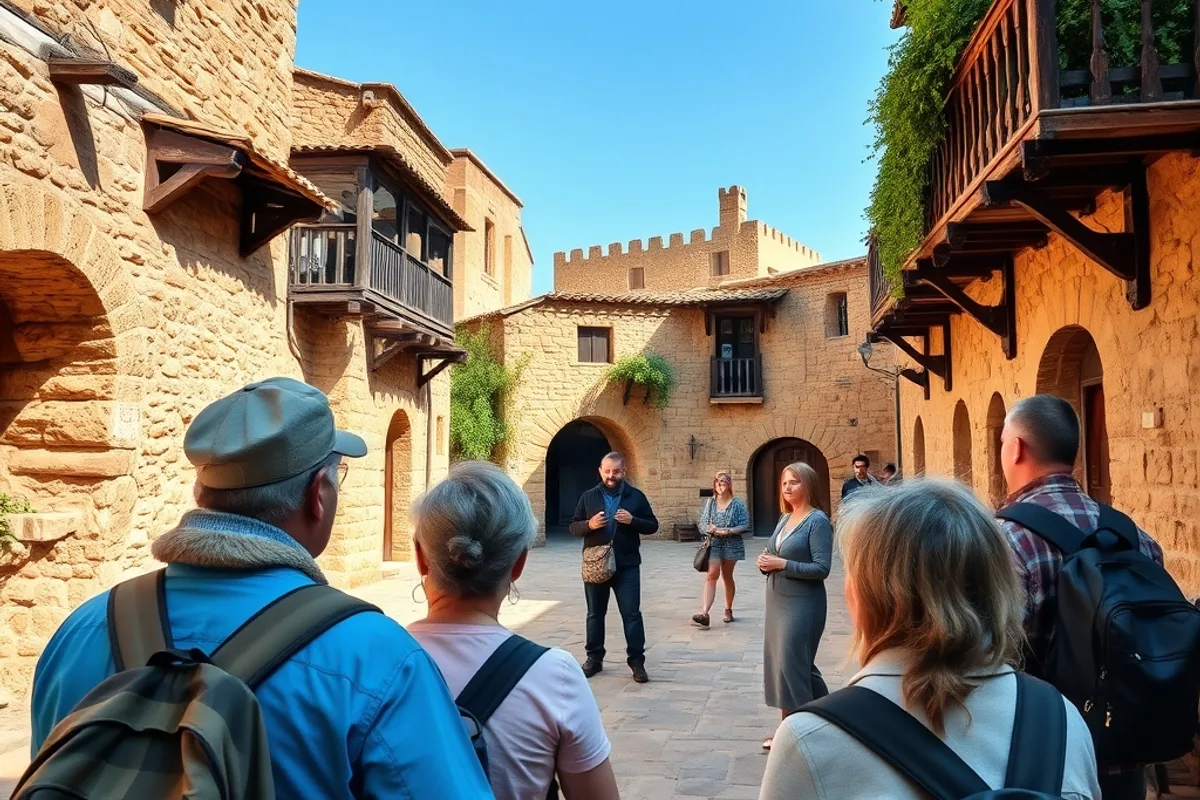
Cultural tourism has a problem: it is easy to sell a photo opportunity and call it understanding. A bus arrives, a guide recites three dates, the group takes the same picture and leaves. The site earns money, but the traveller learns little, and the community is treated as scenery. Doing it better is not about being an expert. It is about choosing a slower, more honest way to visit.
Choose the guide, not just the site
The quality of a cultural visit is decided mostly by who explains it. A good local guide tells you how people live now, not only what happened centuries ago. They answer questions honestly, point out what has changed and explain which parts of the site are sacred or off-limits.
Look for small groups, clear language and a guide who is from the area. A tour that covers five major sites in one day is usually a transport service with commentary. One site with time to look, ask and sit is usually worth more.
Learn the context before you arrive
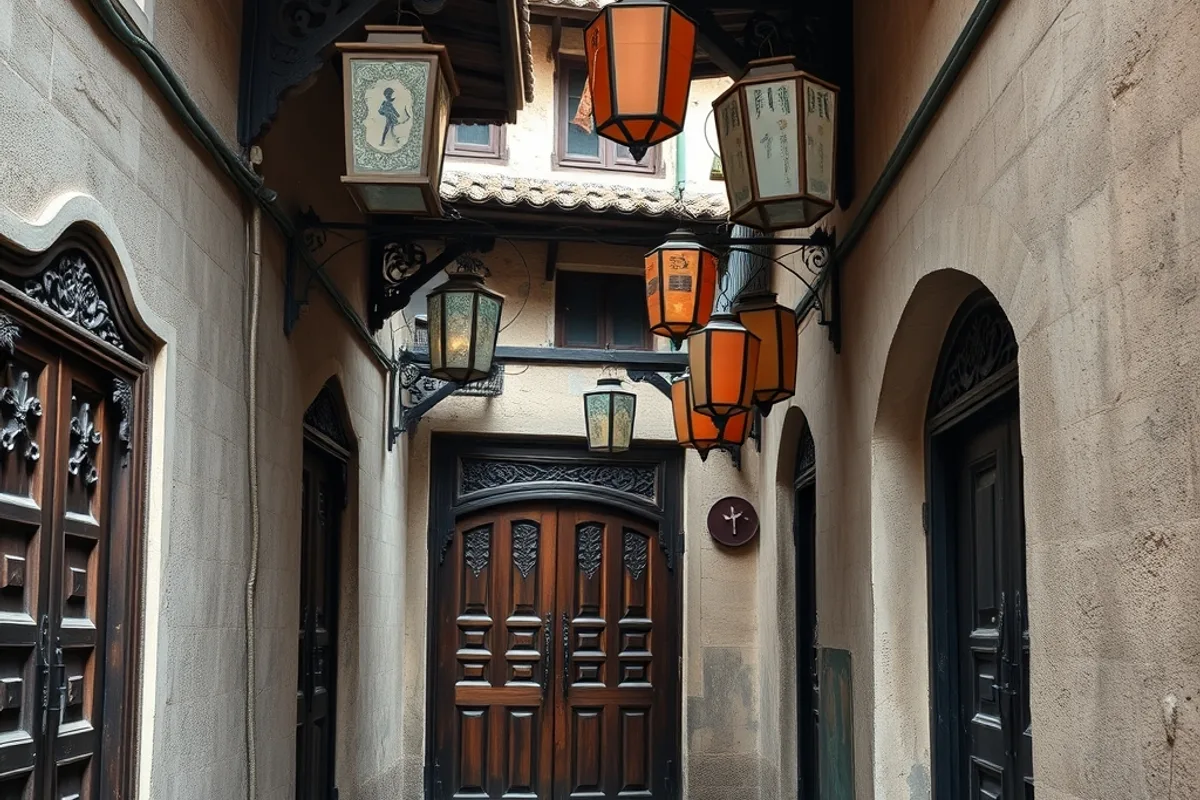
Read a short history and check the site's official visitor rules. Knowing the basic timeline helps you ask better questions, and it prevents the awkward moment of treating a place of worship like a museum. Check dress codes, photography rules and whether some areas are closed to visitors.
Be careful with "hidden gem" claims. Some places are hidden because the community does not want mass visitors, and some are closed for restoration or religious reasons. A responsible guide will tell you when not to go.
Watch how the money moves
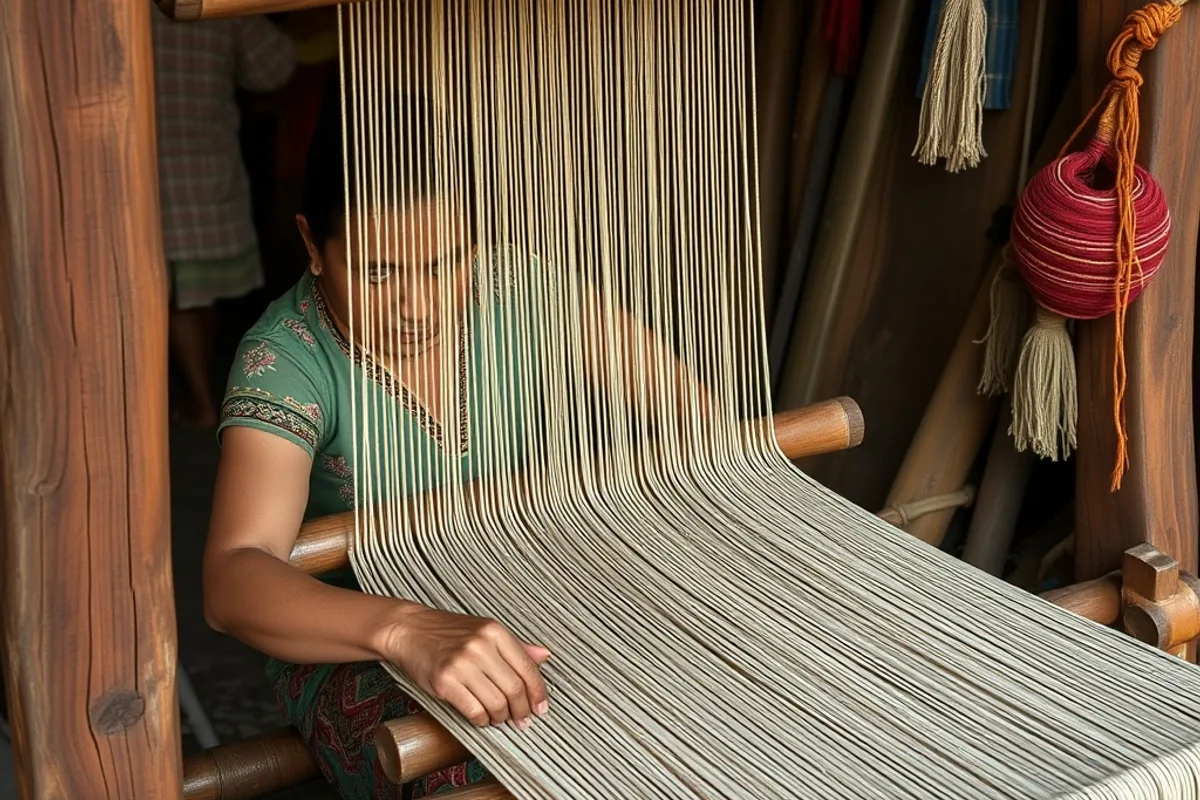
Ask who owns the tour company and where the ticket money goes. At many heritage sites, a large share leaves the region. That is not always avoidable, but you can add local spending: eat at a family restaurant, buy a craft directly from the maker and stay in a locally owned guesthouse.
Bargaining is normal in some markets and insulting in others. Ask your guide or host what is appropriate. Paying a fair price for good work is part of cultural respect, not a failure of budgeting.
Avoid the staged experience
Some "traditional village" visits are performances created for tour buses. They can be entertaining, but they are not the same as seeing daily life. If a visit includes a staged wedding, a fake school or children performing for gifts, ask yourself who benefits and whether you would be comfortable if it were your family.
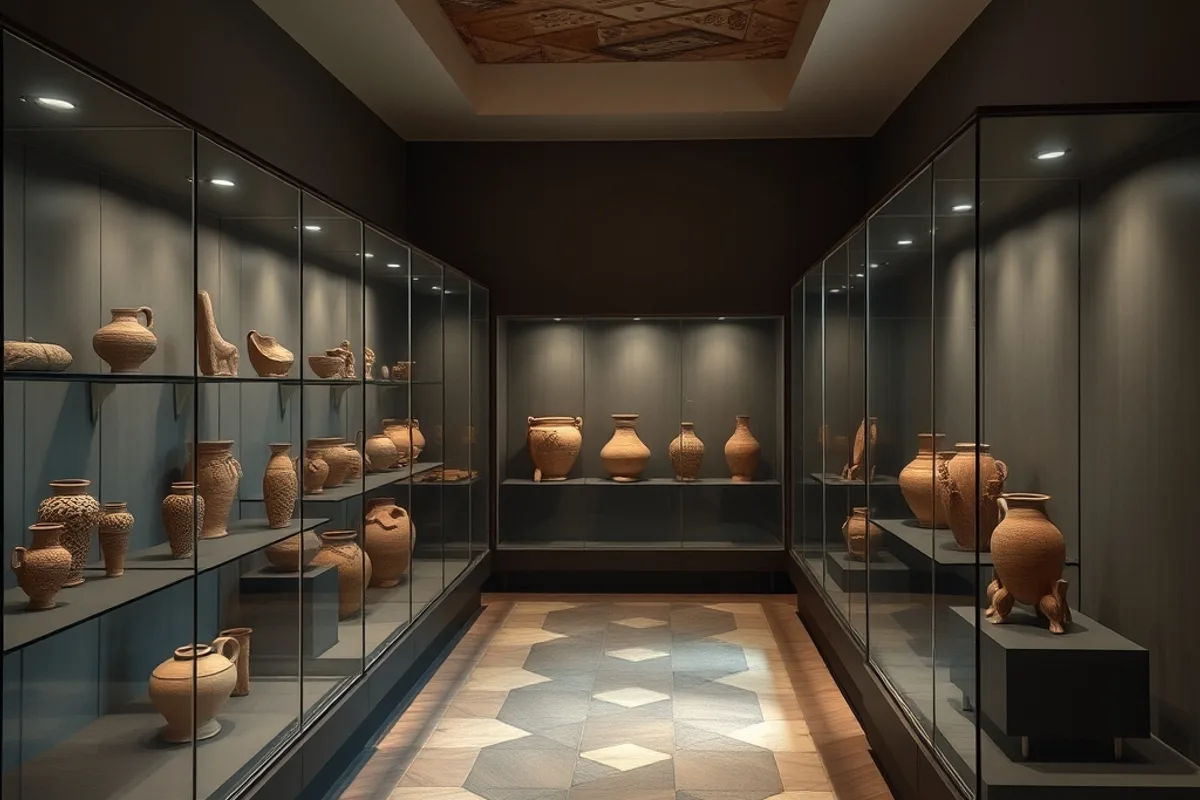
Instead, look for genuine workshops, community museums and food experiences led by residents. These are slower and often cheaper, and they leave more money in the local economy.
Behave like a guest, not a collector
Ask before photographing people, especially in markets and places of worship. Do not touch objects or walls unless invited. Keep your voice low in sacred spaces and follow the dress code even when it is hot. These are small things, but they decide whether you are welcome back.
Learn a few words of the local language. A greeting and a thank-you go a long way, and people often respond with more patience and better recommendations than any app can provide.
Build a realistic cultural day
Two sites and one long lunch is usually a better day than six sites and a sandwich on the bus. Leave time to walk without a destination, sit in a square and return to something you noticed in the morning. Cultural travel is cumulative: the second visit is often better than the first because you know what you are looking at.
Check opening hours and rest days carefully, especially outside major cities. Many small museums close in the middle of the day or on Mondays, and some heritage sites close early in low season.
“The point of cultural travel is to leave with a better question, not just a better photo.” — Vina Kevern Editorial
The bottom line
Cultural tourism done right is slower and more specific. Choose a local guide, learn the context, follow the rules and spend where it stays. Skip the staged village and the five-site sprint. The goal is not to collect a place but to understand a little more than you did when you arrived, and to leave the community better off for your visit.
For official guidance, see UNESCO sustainable tourism guidance.