How to Choose a Coastal Retreat You Will Not Regret
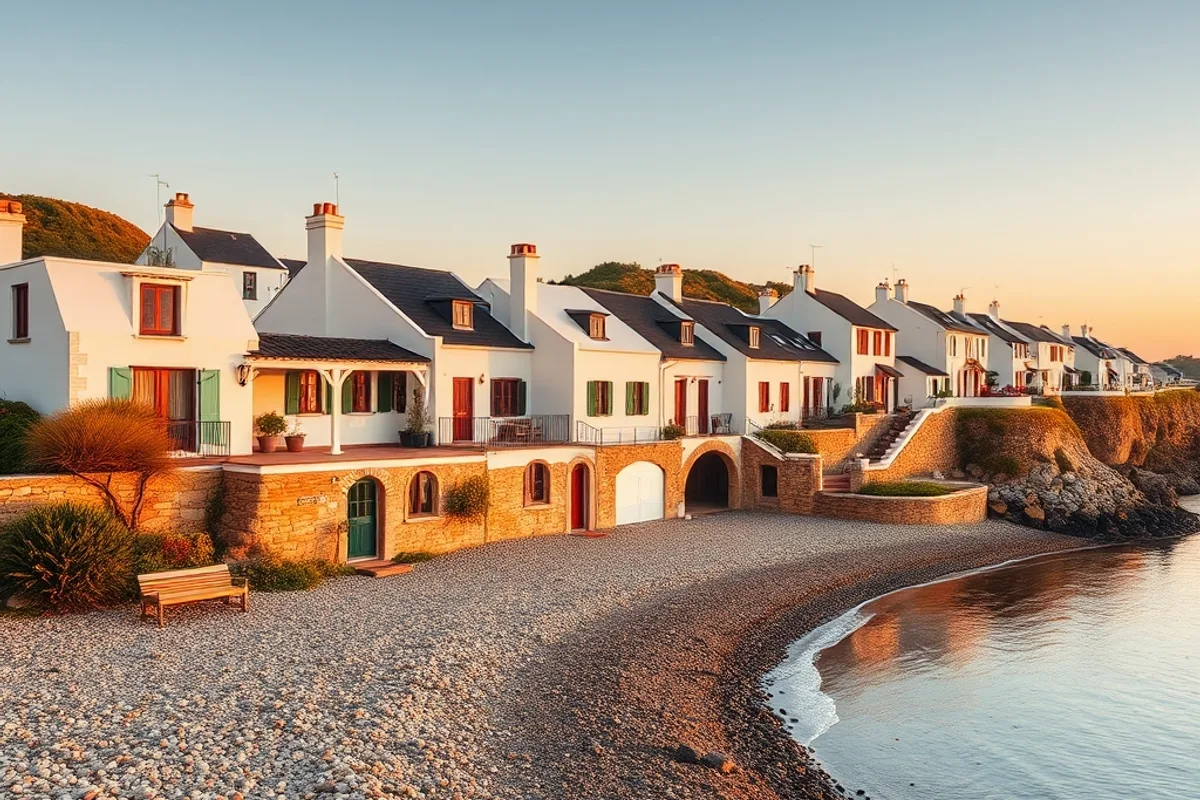
Coastal stays are sold on one image: a room, a balcony and a blue horizon. The image is real, but it is taken at the best hour of the best month from the best corner of the property. The holiday you actually get depends on the tide, the road behind the hotel and how far you must walk for dinner.
This guide sets out the checks that matter before you pay a deposit. None of them require special knowledge, and all of them take less time than dealing with a disappointing stay.
Start with the beach, not the balcony
Find the property on a satellite map and look at what sits between the building and the water. A hotel can be described as beachfront while a coastal road, a railway or a private compound separates it from the sand. That is not necessarily bad, but you need to know before you book, especially with children or luggage.
Check the beach material too. Sand, pebbles and rock shelves behave differently underfoot, and a beach that is easy in the morning can be uncomfortable at low tide. Look at recent guest photos rather than the official gallery: they show the actual path, the actual width of sand and the actual walk back up the hill.
Learn how the tide changes the day
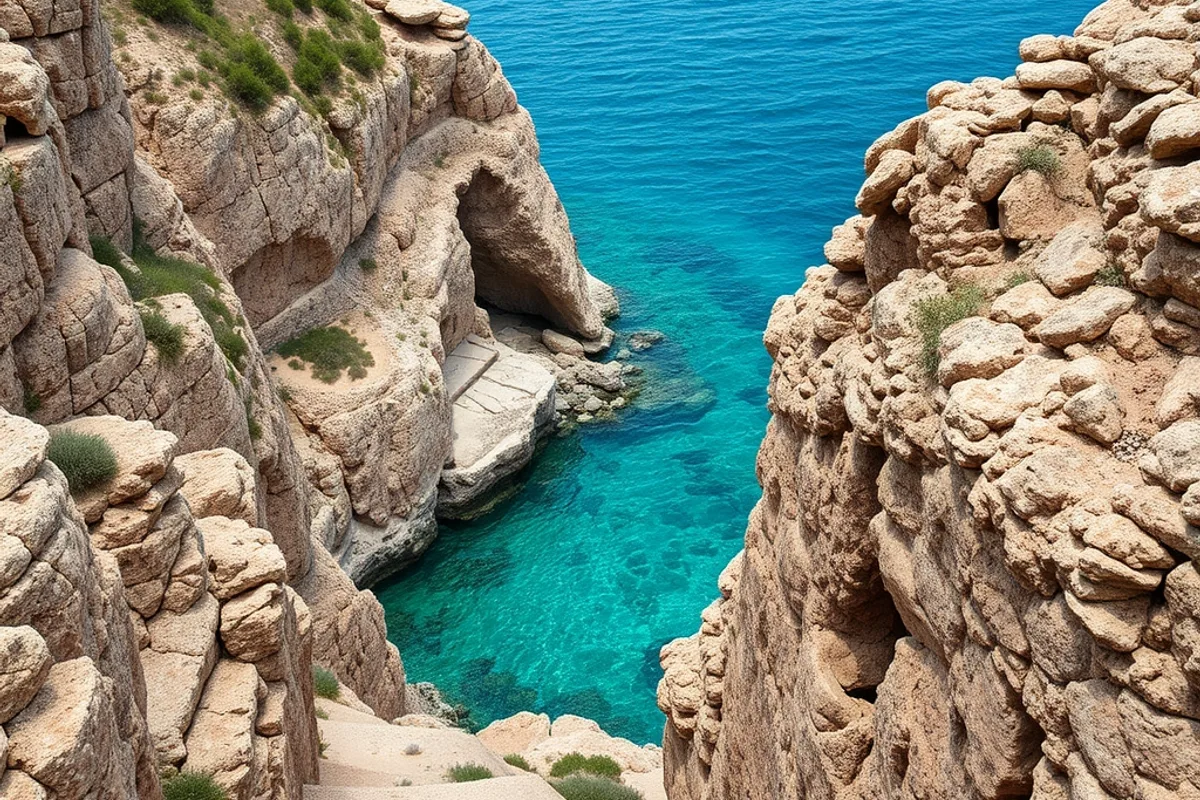
In many coastal towns the beach effectively disappears at high tide. That is fine if you plan around it, but it changes when you swim, when you walk and whether a cove is reachable at all. Tide tables are published free by national hydrographic offices and are usually accurate to the minute.
If the main attraction is a specific cove or a sandbar, check whether it is accessible during your dates. Some beaches are cut off by cliffs at high water, and some are closed for nesting birds or turtle season. A five-minute check prevents a long walk to a view you cannot reach.
Measure the walk to real life
A retreat can be peaceful and still convenient. The difference is usually a ten-minute walk to a shop, a café and a bus stop. Use the map's walking tool at a realistic pace and remember that the return leg may be uphill. A place that looks close on a map can be a steep climb with groceries.
Ask whether the road is lit at night and whether there is a pavement. In small resorts, the last stretch is often a narrow lane shared with scooters. That is part of the charm for some travellers and a deal-breaker for others, so decide honestly which one you are.

Read the room category closely
Sea view, partial sea view, garden view and side sea view are commercial terms, not descriptions. Ask for the exact room number or a photo of the category you are booking. A partial sea view can mean a sliver of blue past a car park, and a garden view can face a wall.
Check the floor and the lift. A top-floor room with a view may be a climb in a building without one, and a ground-floor room opening onto a garden may be the best choice for a family with a pram. If noise matters, ask for a room away from the bar, the pool pump and the road.
Price the whole stay, not the room
Add local tourist tax, service charge, parking, breakfast, sunbeds and airport transfer. Some coastal hotels charge for beach towels or a spot on the private beach, and some include them. The difference can be significant over a week.
Compare three options on the same basis: total cost for the same dates, the same room type and the same meal plan. Then check the cancellation policy. A flexible rate that costs a little more is often worth it on the coast, where weather and ferry schedules can move a trip.

Check the season and the weather pattern
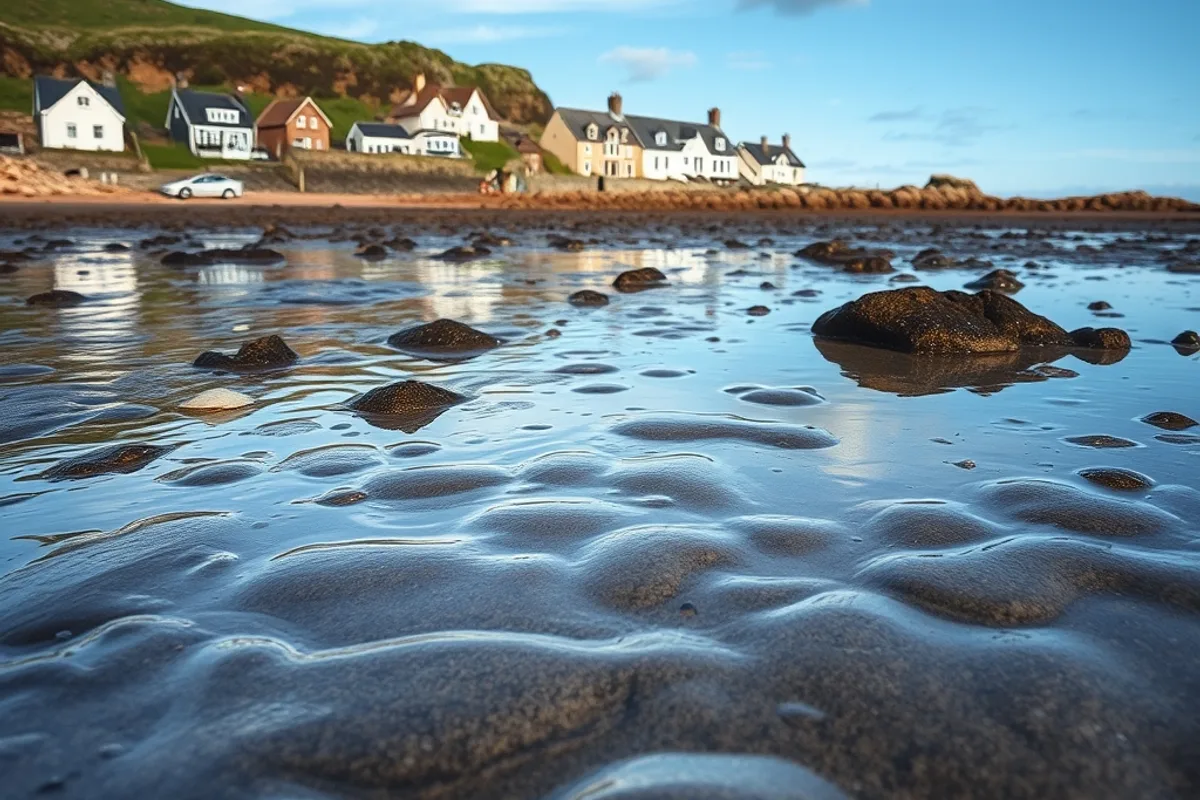
Coastal regions have a character in each season. A fishing village that is lively in August can be shuttered in November, and a beach that is calm in spring can be windy and rough in autumn. Look up average rainfall, sea temperature and wind for your dates rather than relying on a general "best time to visit" line.
Ask whether the hotel's restaurant, pool and beach service operate outside high season. Many reduce hours or close entirely. If you are travelling for quiet, that can be perfect; if you are travelling for facilities, it can be a surprise.
“A coastal retreat is a location decision before it is a hotel decision.” — Vina Kevern Editorial
The bottom line
Pick the coast for the coast, then pick the property for how you will use it. Check the map, the tide, the walk and the total price. Read recent reviews for the things photographs hide, and ask the hotel direct questions in writing. A good coastal retreat is not the one with the best view; it is the one whose ordinary Tuesday works for you.
For official guidance, see UN Tourism coastal destination information.