Boutique Hotels: What the Small Print Actually Means
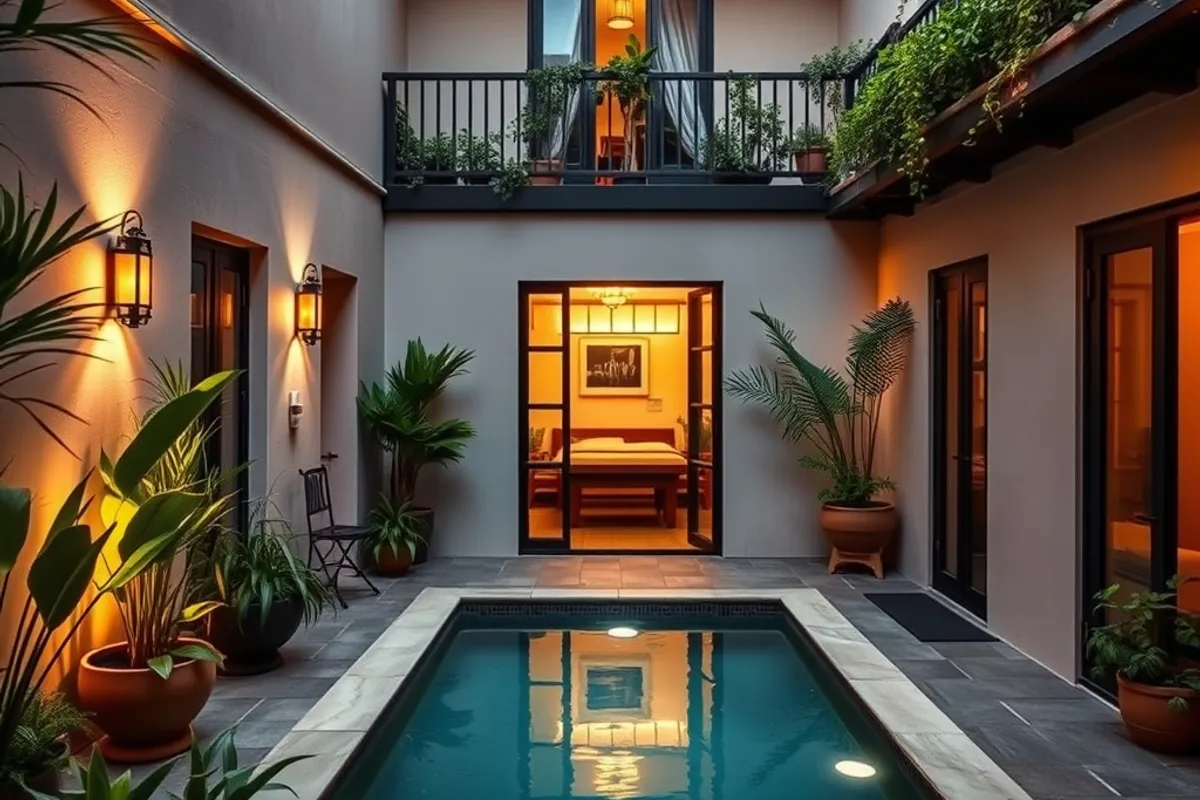
"Boutique" is one of the least regulated words in travel. It usually signals a small, stylish property with personal service, but it does not guarantee a star rating, a lift, a desk or even a window in every room. That is not a reason to avoid boutique hotels. It is a reason to read the listing like a contract rather than a magazine spread.
Start with the room, not the lobby
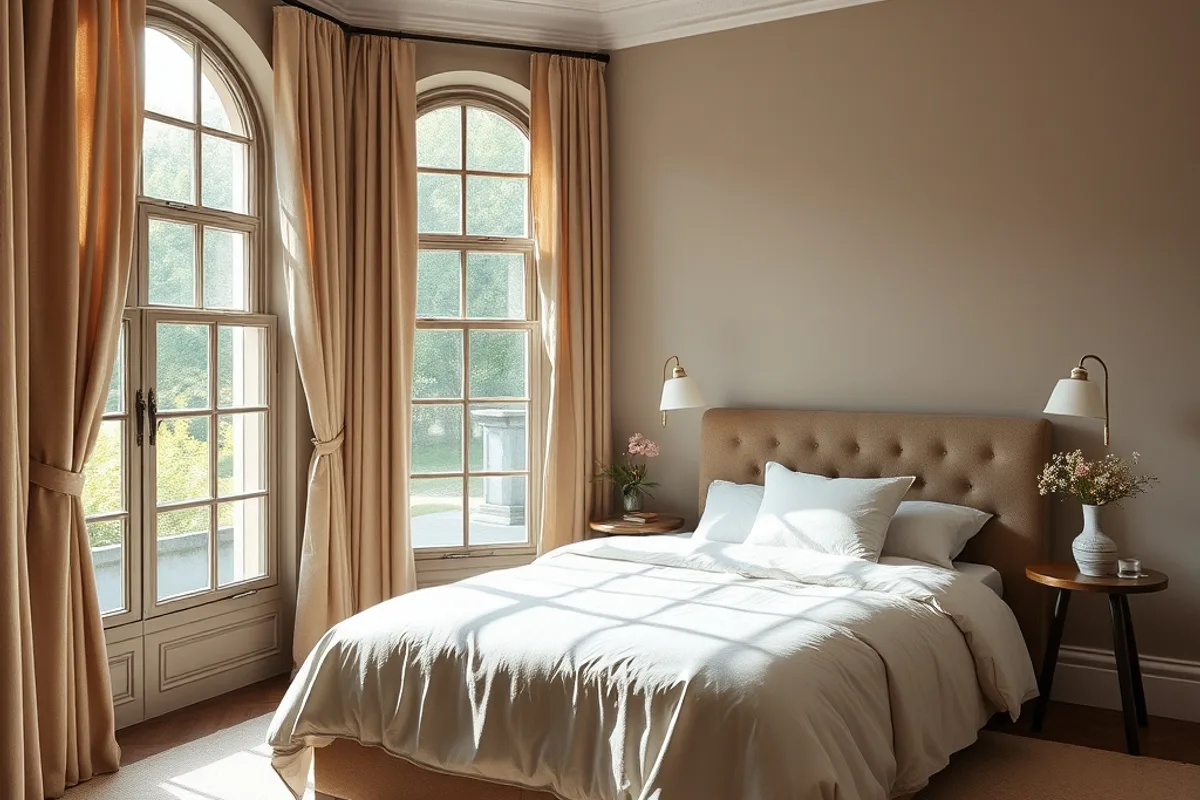
Boutique hotels photograph their public spaces beautifully, and the lobby may be the best room in the building. Check the size of the room you are booking in square metres, the bed size and the window type. A "cosy" room can be smaller than a standard chain room, and a "courtyard view" can mean a wall two metres away.
Look for a floor plan or a photo of the exact category. Ask whether there is a lift, especially in converted townhouses. Ask about the desk if you plan to work, the air conditioning if you are travelling in summer, and the water pressure if the building is old.
Understand the rate rules
Small hotels often have stricter policies than large chains. A two-night minimum at weekends, a non-refundable deposit and a later check-in cut-off are common. Some charge a service fee or a city tax at checkout, and some require a security deposit on arrival.
Read the cancellation window carefully. A rate that saves fifteen percent may be non-refundable, which is a poor trade if your dates might move. Check whether breakfast is included and whether the hotel has a restaurant or only a café. In a small property, food options can be limited.
Check the service model
Boutique service is often excellent, but it is delivered by a small team. Reception may not be staffed overnight, housekeeping may finish early and room service may not exist. That is fine if you know, and frustrating if you arrive at midnight expecting a concierge.
Ask about late check-in, luggage storage and airport transfers. A hotel with no night desk may leave a key in a lockbox, which works well until the code does not. Confirm the process in writing before you travel.
Read the neighbourhood, not just the hotel
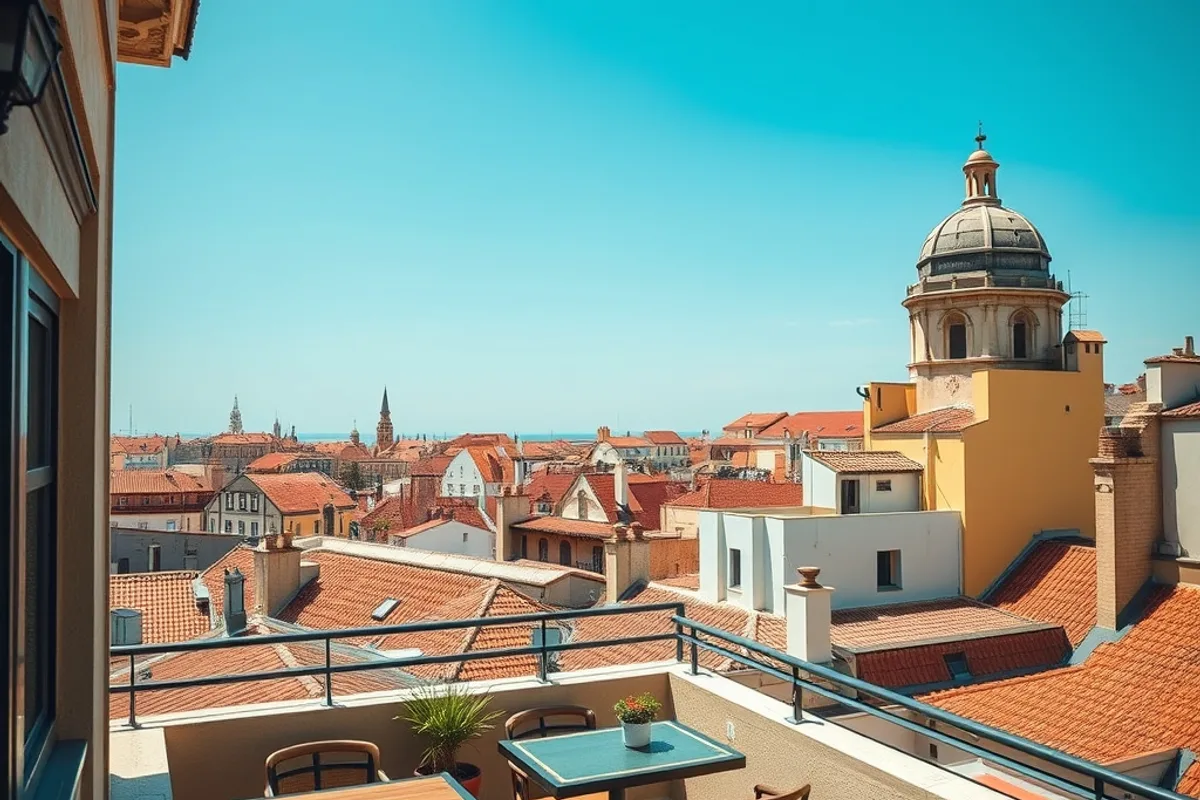
Boutique properties are often in old town centres, which means character and noise. Check whether the street has bars, restaurants or a late-night venue, and whether the windows are double-glazed. Look at the map for tram lines, churches and markets that start early.
Check the walk to public transport and the availability of taxis. A charming lane can be hard to reach with a suitcase, and some old towns restrict vehicles. Ask the hotel where a car can stop and how far the nearest parking is.
Judge the design claims
"Design hotel" can mean an architect-designed building or simply a bold paint colour and a rattan chair. Look at recent guest photos rather than the official shoot. Check whether the bathroom is private, whether the shower is over a bath and whether there is a wardrobe rather than a rail.
Accessibility matters too. Old buildings often have steps at the entrance and narrow corridors. If anyone in your group has mobility needs, ask for exact dimensions and photos before booking. A beautiful hotel is not accessible just because it says so.
Compare like with like
Compare the boutique rate with a chain hotel of the same standard in the same area. Add breakfast, tax and transport to both. The boutique may be cheaper, or it may cost more for a smaller room and a better location. Both can be good value, but only if you see the whole price.
Check reviews for recurring words: "noise", "small", "stairs", "hot water" and "staff". One complaint is an incident; five are a pattern. Read reviews from the last six months, since a hotel can change hands or renovate.
“A design hotel can be beautiful and still be wrong for you. Read the room, not the lobby.” — Vina Kevern Editorial
The bottom line
Boutique hotels reward curiosity and punish assumptions. Read the room category, the rate rules and the service model. Check the neighbourhood and the exact photos. If the small print matches the holiday you want, a small hotel can be far more memorable than a chain. If it does not, the lobby will not save the stay.
For official guidance, see UN Tourism hotel and accommodation guidance.