Alpine Village or Mountain Resort: Which Is the Best Base?
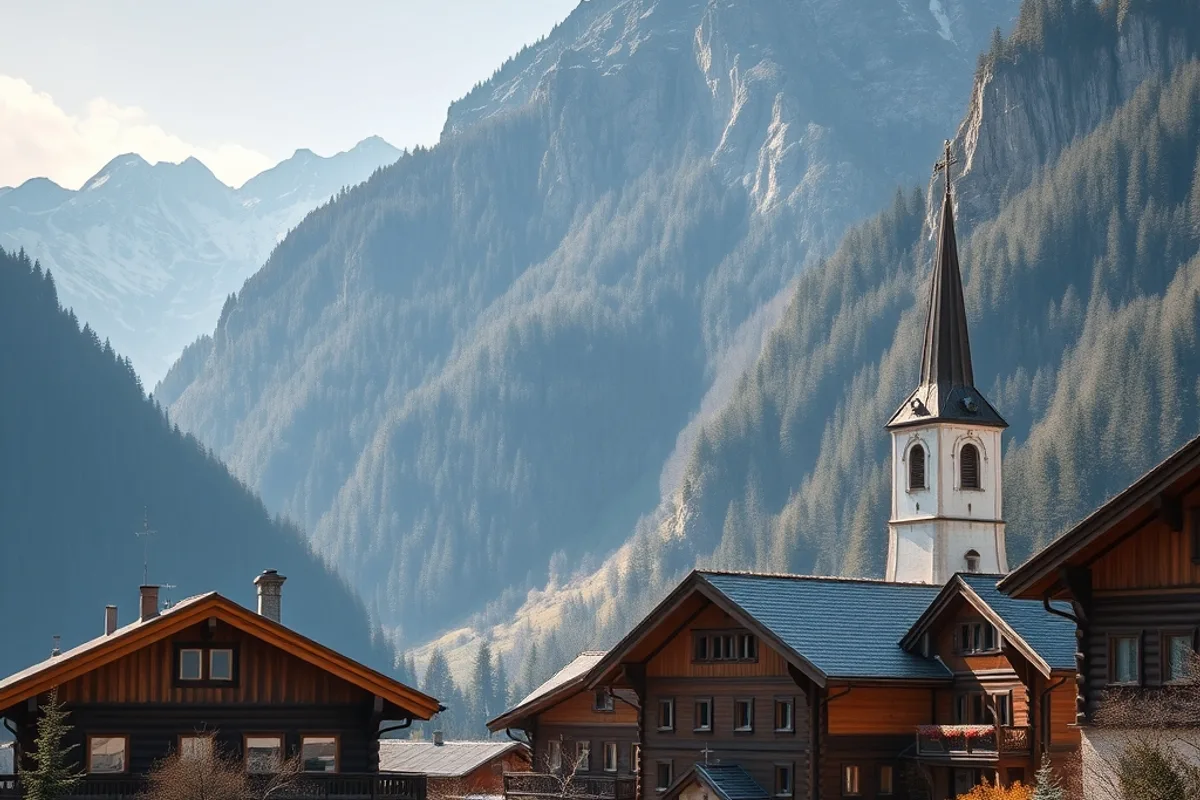
Choosing a mountain base is often framed as a price question: village or resort, cheap or convenient. The more useful question is what you want the mountain to be. A resort is designed around access and facilities. A village is a real place with its own rhythm, and the mountain is one part of it.
Think about why you are there
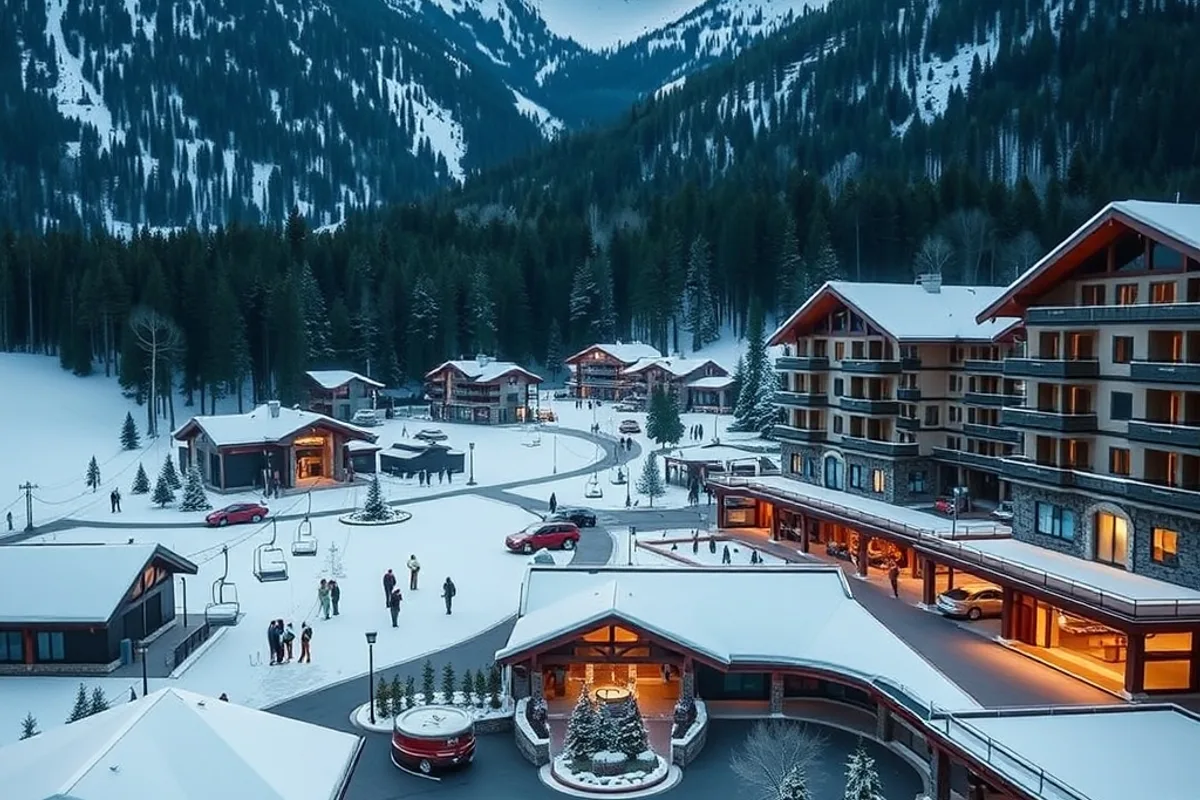
If the main goal is skiing or hiking with minimal friction, a resort base is hard to beat. Lifts, rental shops, ski schools and restaurants are close together, and the infrastructure is built for visitors. If the goal is a slower mountain holiday with local food, quiet walks and a sense of place, a village is usually better.
Families with young children often prefer resorts for the convenience. Couples and solo travellers often prefer villages for the atmosphere. Neither choice is wrong, but the mismatch is what ruins a trip.
Measure the distance to the slopes
A village can be a great base if it has a reliable lift or bus. Check the distance from the accommodation to the lift station and the frequency of the shuttle. "Five minutes from the slopes" can mean five minutes by car in good weather, not five minutes on foot in ski boots.
Check the return trip too. The last bus may leave before the lifts close, and a taxi in a mountain resort can be expensive. If you are driving, check parking at the lift and whether the road is cleared early.
Compare the real cost
Village accommodation is often cheaper, but the savings can disappear in transport, parking and lift access. Resort hotels may include a lift pass, breakfast or equipment storage. Add all of it up for the same dates and the same group.
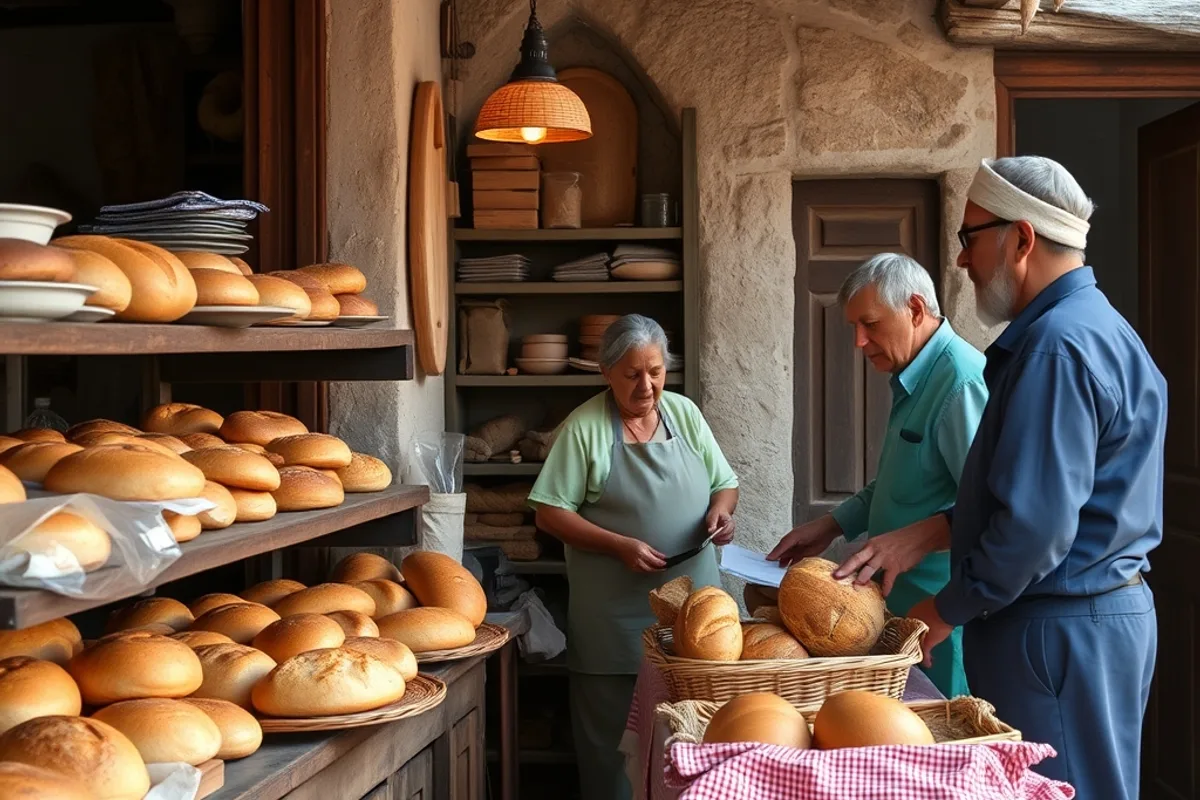
Food is another variable. A village may have one small shop and a couple of restaurants, which can be expensive and limited. A resort has more choice but higher prices. Check whether the village has a bakery, a grocery and a restaurant open in the evening.
Check what is open in your season
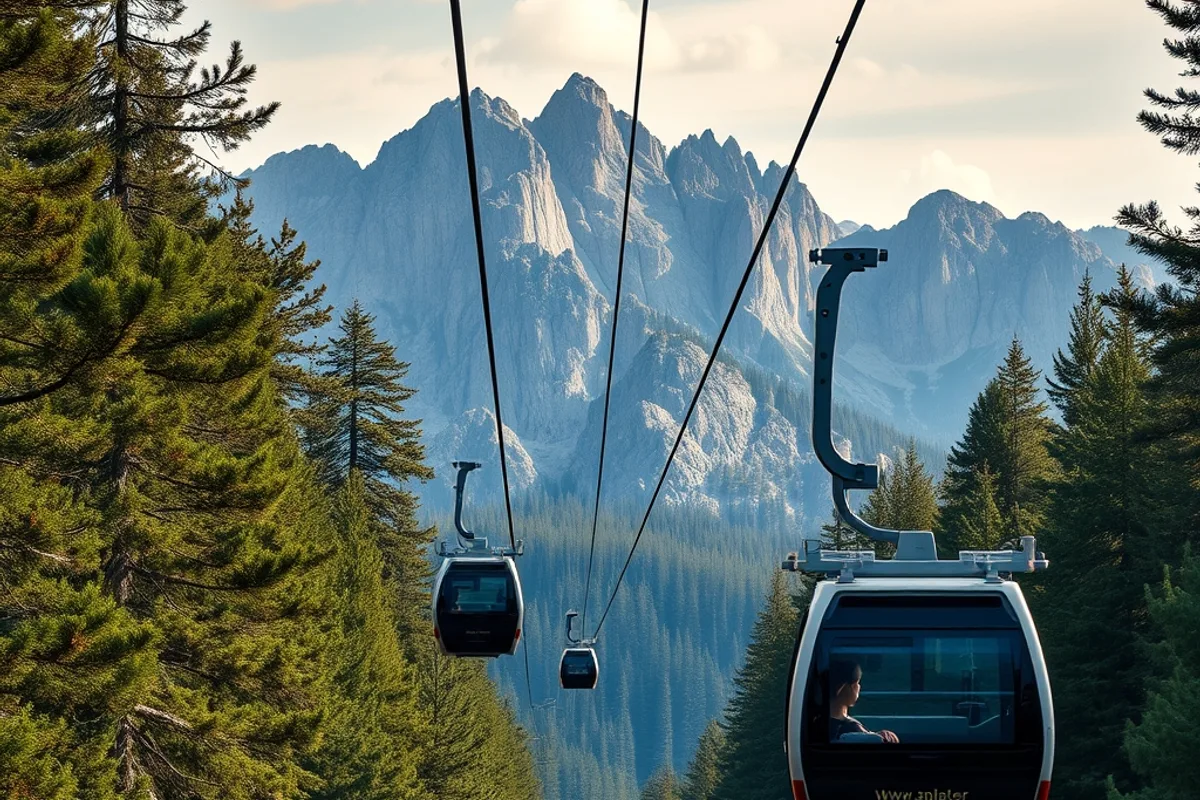
Many mountain villages are lively in winter and quiet in summer, or the reverse. Some lifts close entirely outside the ski season, which changes the walking and access options. Check the opening dates for lifts, museums, restaurants and shops.
In winter, ask whether the road to the village is cleared and whether snow chains are required. In summer, ask about trail closures and bus schedules. A place that is perfect in January can be shut in June.
Look at the accommodation type
A village guesthouse may be family-run, with home cooking and local advice. A resort hotel may have a pool, a spa and a kids' club. Check the room, the heating, the drying space and the breakfast time. In a village, the host's routine matters; in a resort, the service standard matters.
Read recent reviews for noise, food and transport. A village that is quiet in the photos can have a church bell, a delivery truck or a bar next door. A resort that looks lively can be empty in low season.
A hybrid approach
You do not have to choose one for the whole trip. Stay a few nights in a resort for easy access to the mountain, then move to a village for the quieter half. This works well on a week-long trip and gives you both the convenience and the atmosphere.
If you are changing bases, check the transfer time and the luggage logistics. A short drive can be a long bus ride in winter, and a midday change can eat a day of your holiday.
“A village gives you a place. A resort gives you a product. Both are fine, but they are not the same trip.” — Vina Kevern Editorial
The bottom line
Choose a resort when access, facilities and convenience matter most. Choose a village when atmosphere, local life and a slower pace matter most. Check the distance to the slopes, the real cost and what is open in your season. The best base is the one that fits the holiday you are actually taking, not the one that looks best on a postcard.
For official guidance, see UN Tourism mountain and rural destination data.